Where we plan to take machine vision next.

LorGo Solutions built LorGo MVIS around railway rolling-stock inspection. The imaging, high-speed capture, edge-AI and defect-detection foundations behind that platform are also relevant to inspection problems in other industries. The applications below are planned directions we intend to develop — they are not existing products or completed deployments.

Extending high-speed inspection to production lines.

The camera synchronisation, high-speed capture and AI-based defect classification used for moving rail assets can be adapted to fixed-line manufacturing environments.

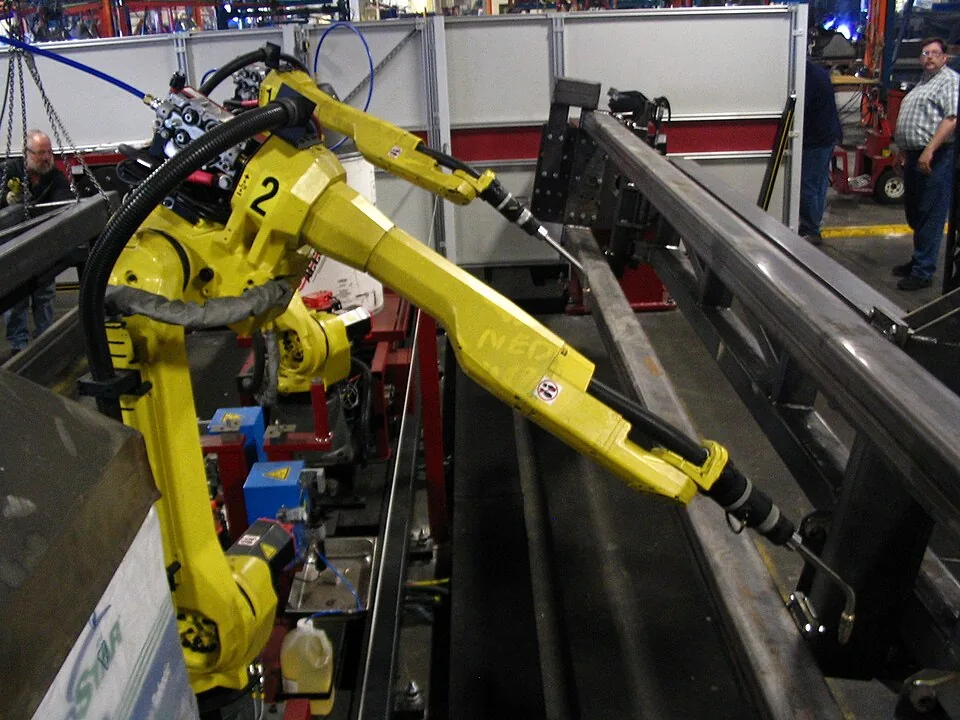
Industrial robot arm working on a metal fabrication linePLANNED APPLICATION

Automotive Component Dimensional & Surface Inspection

We plan to explore a machine-vision solution for automotive component lines that would combine high-speed imaging with AI-based measurement to check critical dimensions and surface finish in real time. As a future capability, it would extend our high-speed camera and defect-detection experience into precision manufacturing, aiming to reduce reliance on manual gauging while building an auditable record for every part.
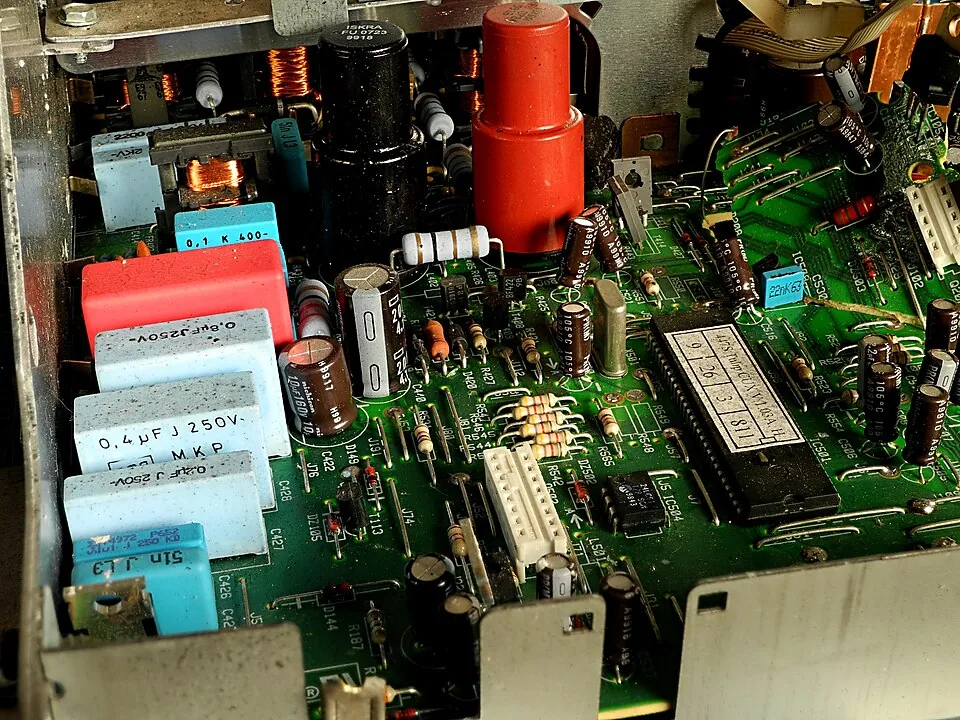
Populated circuit board inside an electronic assemblyPLANNED APPLICATION

Assembly & Presence-Absence Verification

For electronics and consumer-durable assembly lines, we intend to develop edge-AI vision stations that confirm component presence, orientation and count before a unit proceeds. This planned application would apply our existing edge-AI and automated defect-detection background to a new class of assembly-line quality checks, and is not yet an implemented solution.

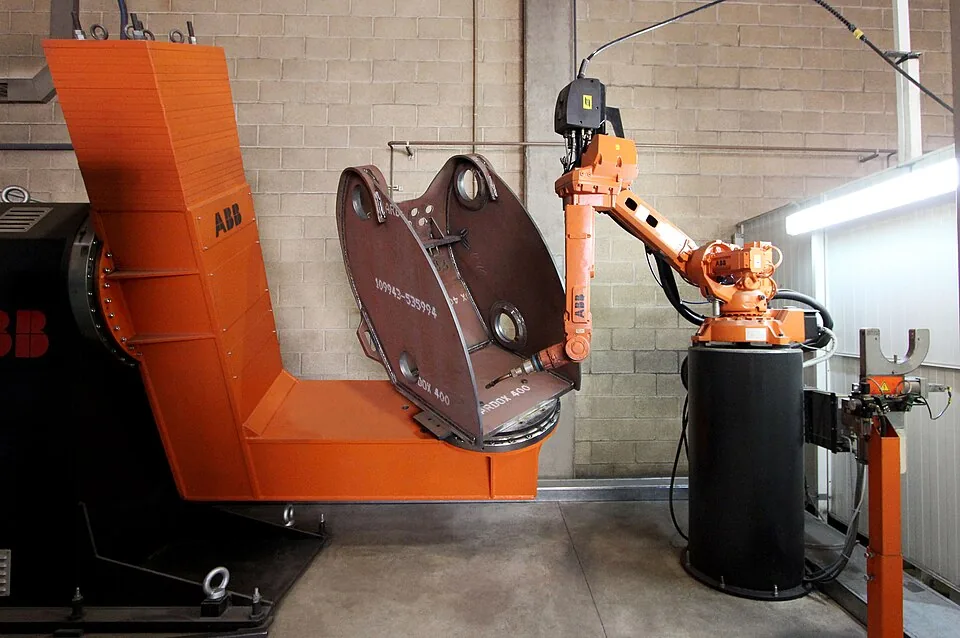
Industrial robot arm handling a heavy metal partPLANNED APPLICATION

Vision-Guided Robotic Pick-and-Place

We are exploring vision-guided robotics that would use camera feedback to locate, orient and place components on a production line, rather than relying on fixed jigs alone. As a planned capability, this would pair our machine-vision and edge-AI experience with robotic handling to support flexible, mixed-part automotive and precision-manufacturing cells.

Applying continuous, high-speed scanning beyond the railway line.

Continuous strip, coil and cylinder handling processes share the same core challenge as rolling stock: a fast-moving asset that needs consistent, repeatable visual coverage.

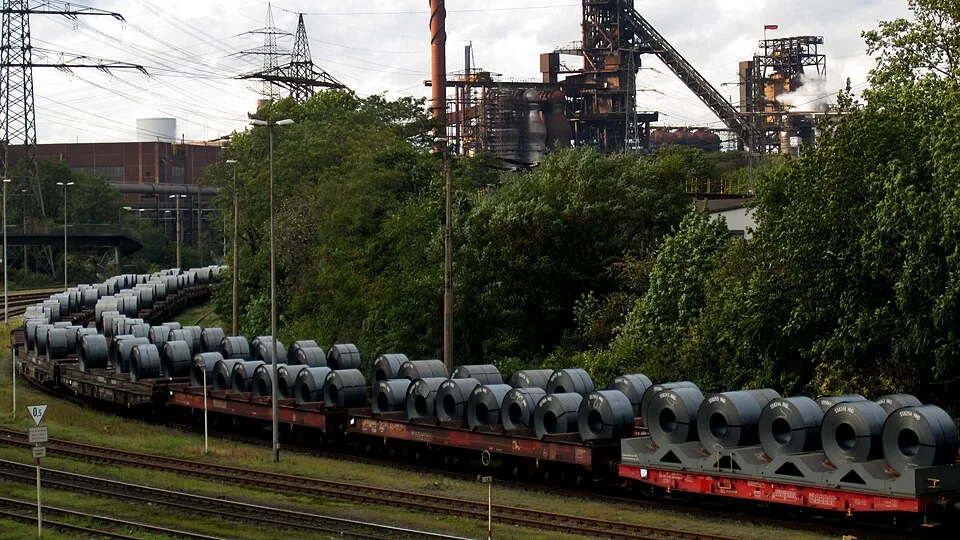
Steel coils loaded on rail wagons with a steel mill in the backgroundPLANNED APPLICATION

Steel & Metal Strip Surface Inspection

We are evaluating a high-speed surface-inspection concept for continuous metal strip and coil production, building on our experience with high-speed cameras for fast-moving rail assets. The planned approach would use line-scan imaging and AI-based classification to flag surface conditions such as scale, pitting or cracking as the strip moves, remaining a future application rather than a current offering.

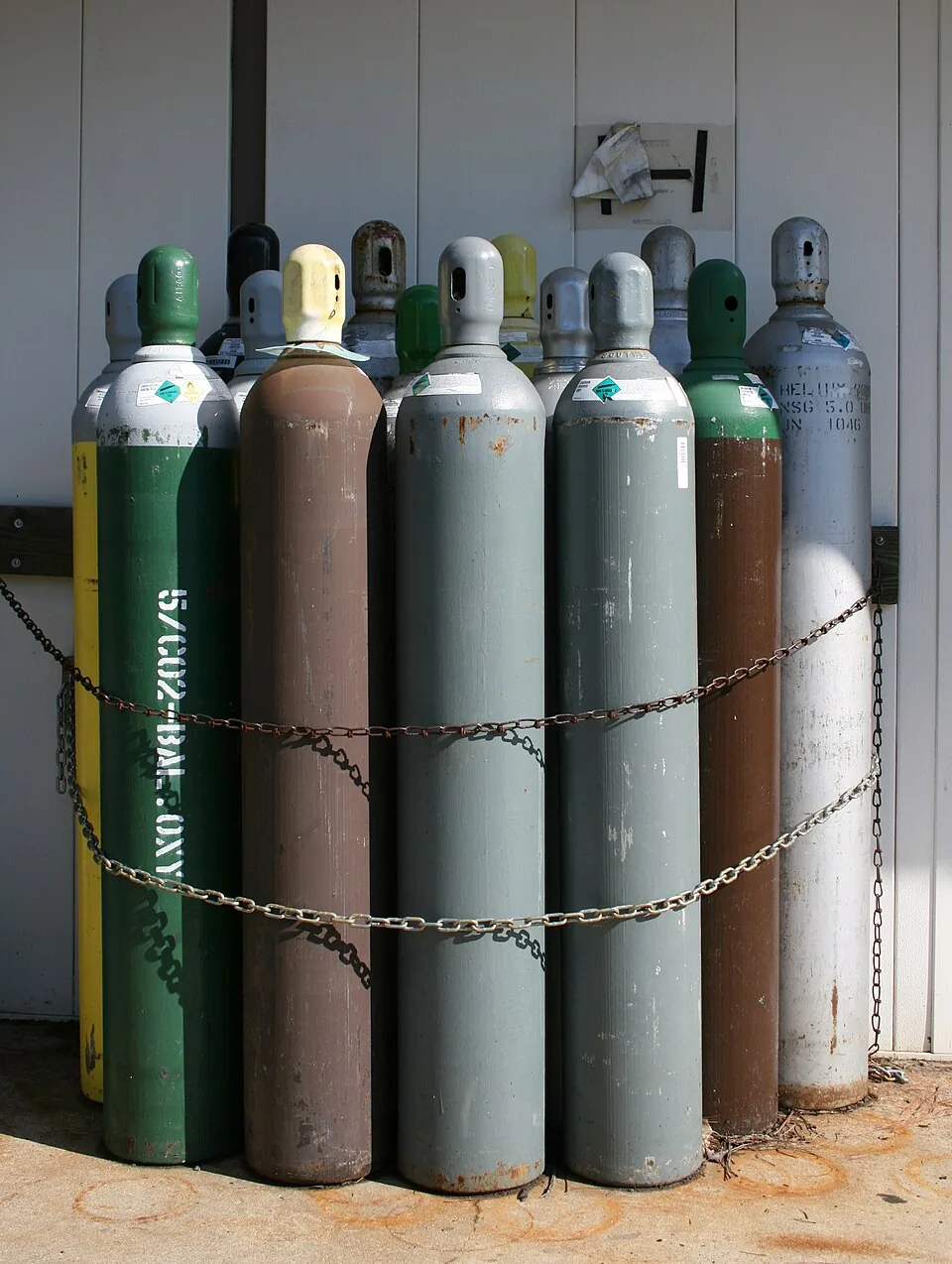
A row of industrial gas cylinders stored togetherPLANNED APPLICATION

Industrial Cylinder & Pressure-Vessel Inspection

A planned application under consideration is automated surface and traceability inspection for industrial gas cylinders and pressure vessels. This would combine machine-vision surface-defect detection with OCR-based reading of serial and stamped markings, linking each inspection result to the specific unit as a future extension of our defect-detection and traceability work.

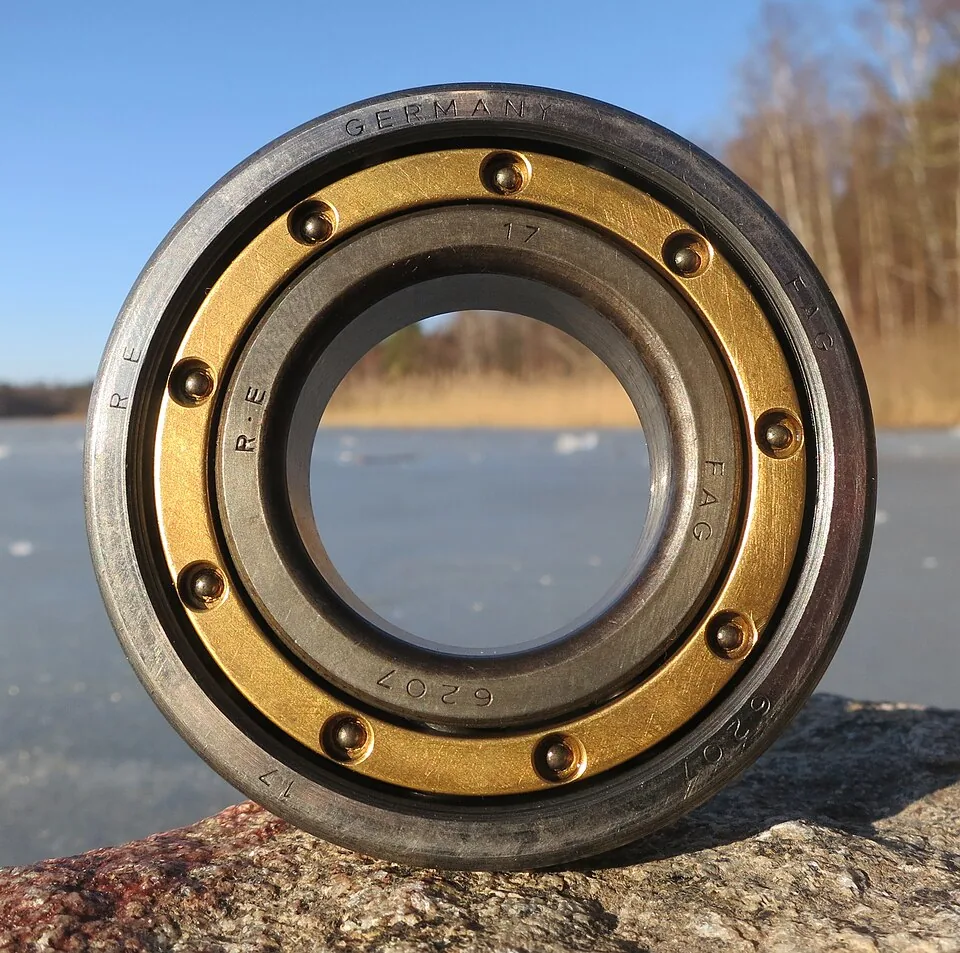
Close-up of a precision ball bearing with an engraved identification markPLANNED APPLICATION

Precision Component Surface & Marking Inspection

For bearings, castings and other precision-machined components, we plan to explore high-resolution vision stations that check surface finish and verify engraved or stamped identification marks in one pass. This future capability would combine our surface-defect-detection and OCR experience to support tighter quality screening before dispatch, and is not yet a deployed solution.

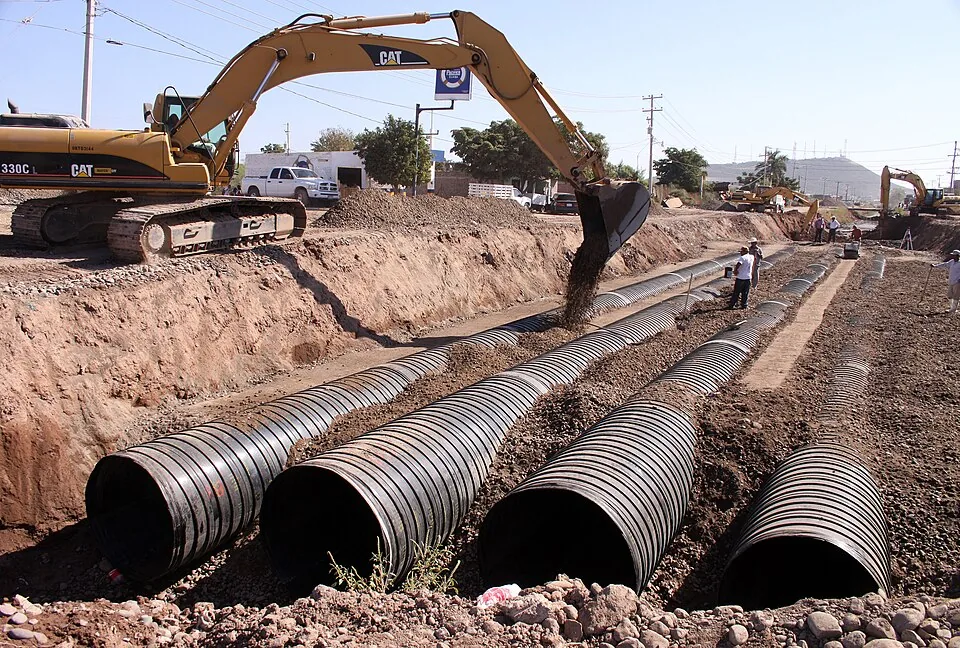
Large steel pipes staged for installationPLANNED APPLICATION

Pipe & Tube Surface Inspection

We are considering a machine-vision concept for pipe and tube manufacturing that would screen the outer surface and weld seam for visible defects as sections move along the line. As a planned application, it would extend our high-speed, continuous-scanning approach from rail assets to cylindrical metal products, subject to future validation.

Bringing OCR and traceability expertise to packaging lines.

Packaging and labelling lines depend on fast, accurate code reading and print verification — a natural extension of the OCR and evidence-linking approach used in MVIS.

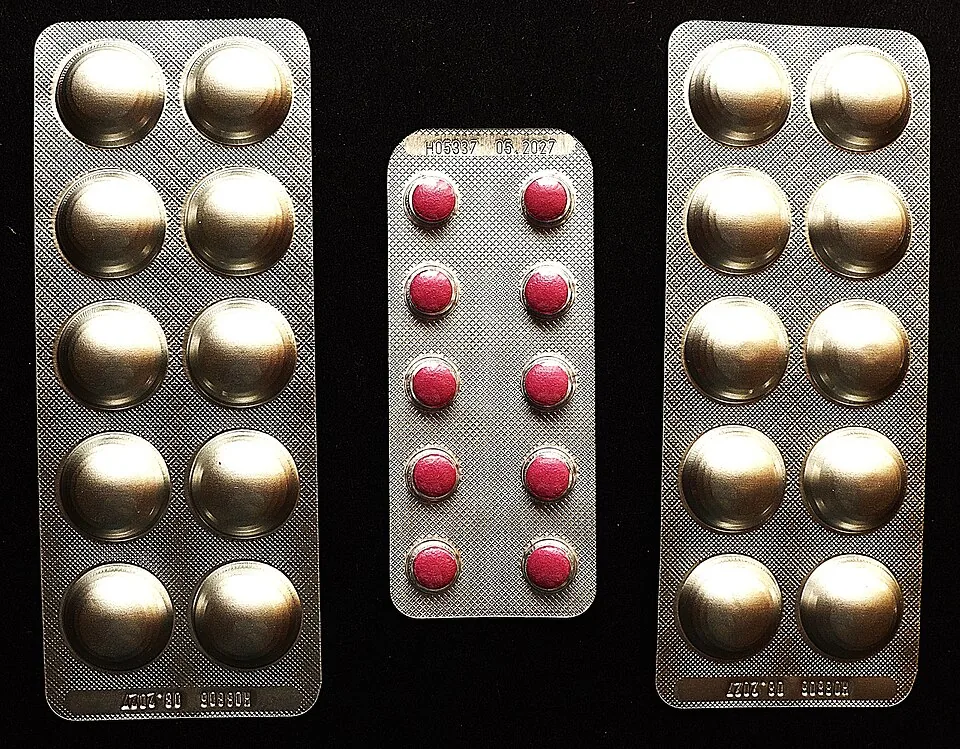
Pharmaceutical tablets in foil blister packsPLANNED APPLICATION

Pharmaceutical Packaging Traceability & Code Verification

We intend to explore machine-vision-based print and code verification for pharmaceutical packaging lines as a future capability. The concept would use high-speed OCR and edge-AI to verify batch numbers, expiry dates and label content at line speed, drawing on our OCR and traceability experience from other inspection domains.

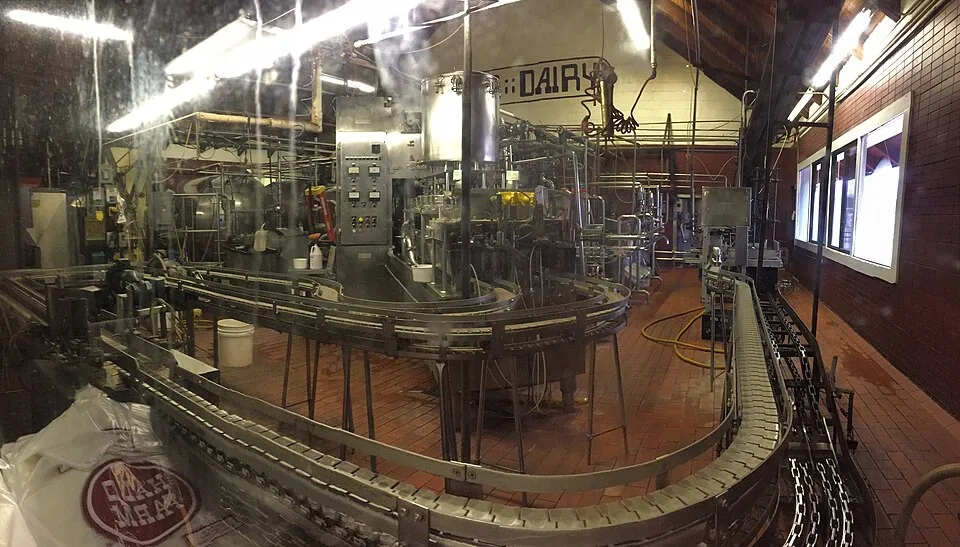
Automated packaging and filling machinery on an FMCG production linePLANNED APPLICATION

FMCG Label, Print & Carton Quality Inspection

Automated label, print and carton inspection for FMCG packaging lines is a planned application we are exploring for the future. The proposed approach would combine machine vision, presence-absence verification and AI-based defect classification to check labels, caps and cartons at full line speed, using our automated quality-inspection experience as the starting point.

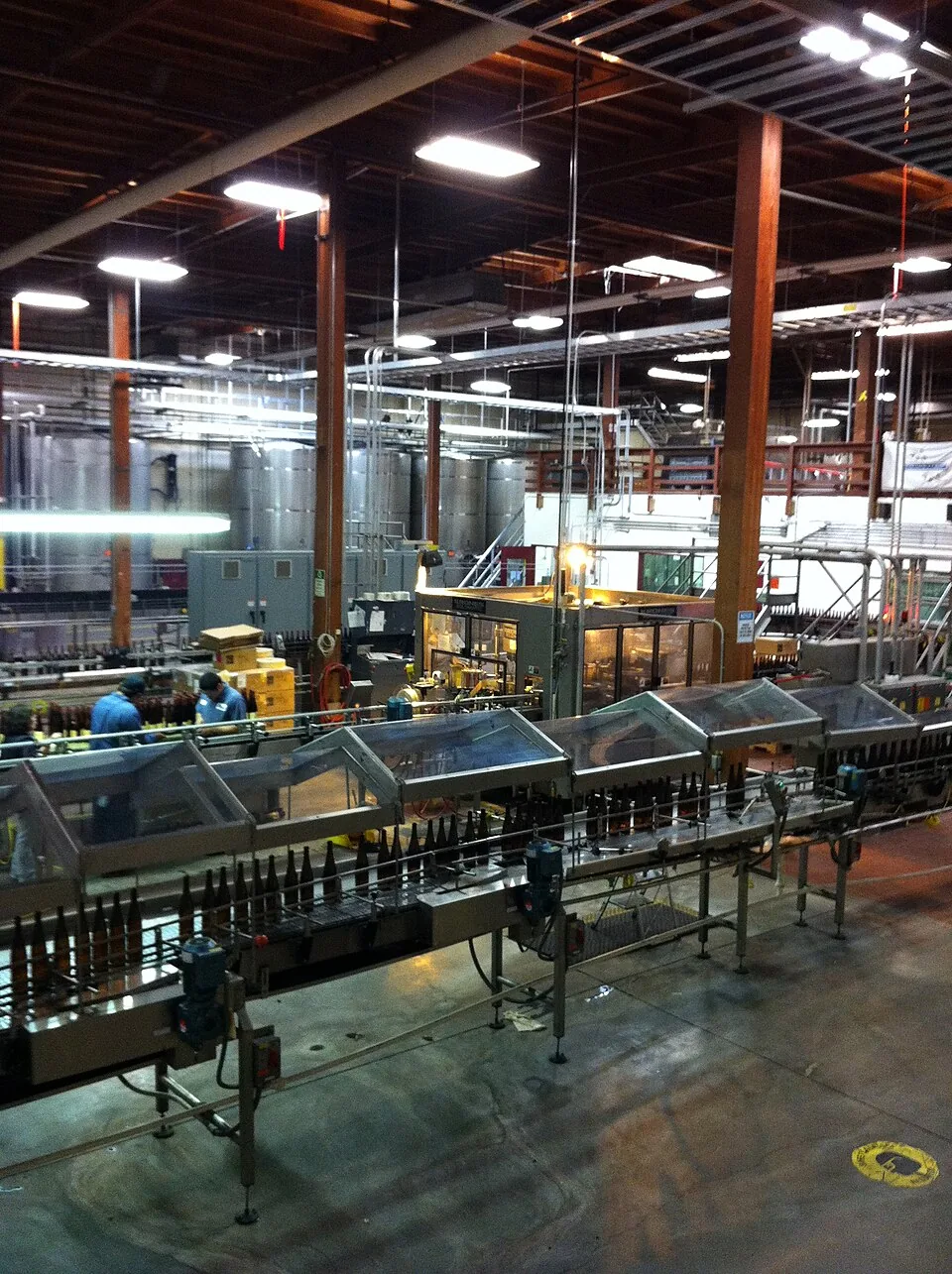
Bottles moving through an automated filling linePLANNED APPLICATION

Food & Beverage Fill-Level Inspection

We intend to explore vision-based fill-level and closure checks for food and beverage filling lines, flagging under-filled, over-filled or improperly capped containers before they reach secondary packaging. This planned capability would apply our real-time defect-detection approach to a high-speed consumable-goods context, and remains a future direction rather than an offered product.

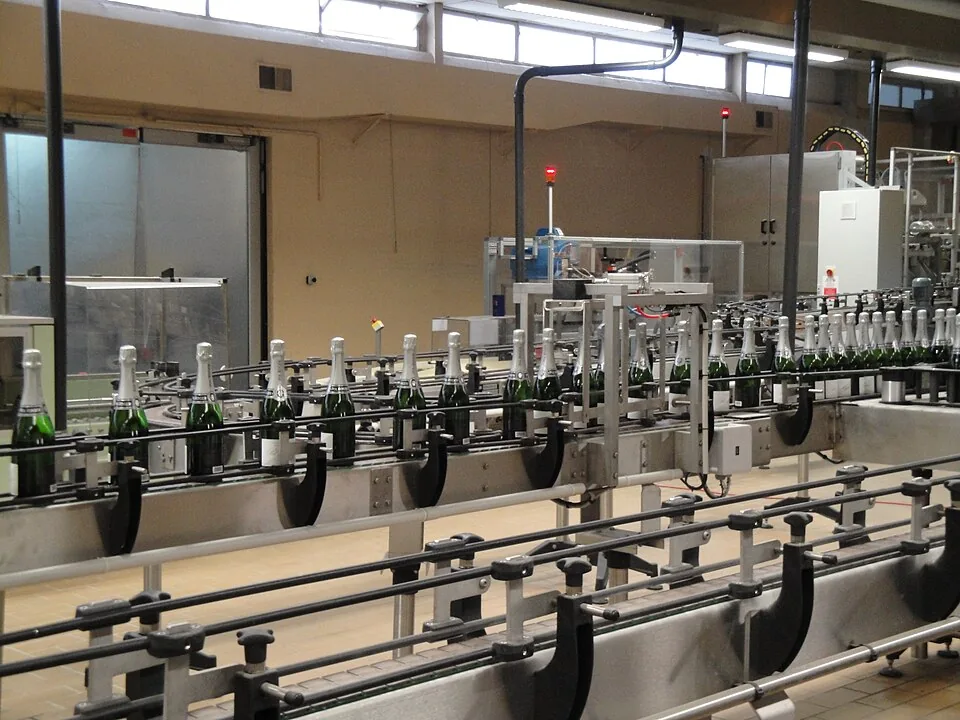
Bottles moving through an automated labelling linePLANNED APPLICATION

Multi-Parameter Packaging Line Verification

A further planned direction is a combined inspection station that checks several packaging parameters together — label placement, cap presence, fill level and code readability — on one line rather than through separate checks. We see this as a future extension of our evidence-led inspection approach to end-of-line packaging verification.

Applying edge-AI and infrastructure-inspection experience more broadly.

Beyond the factory floor, the same edge-AI and asset-inspection principles behind MVIS could support traceability and condition monitoring for logistics and energy infrastructure.

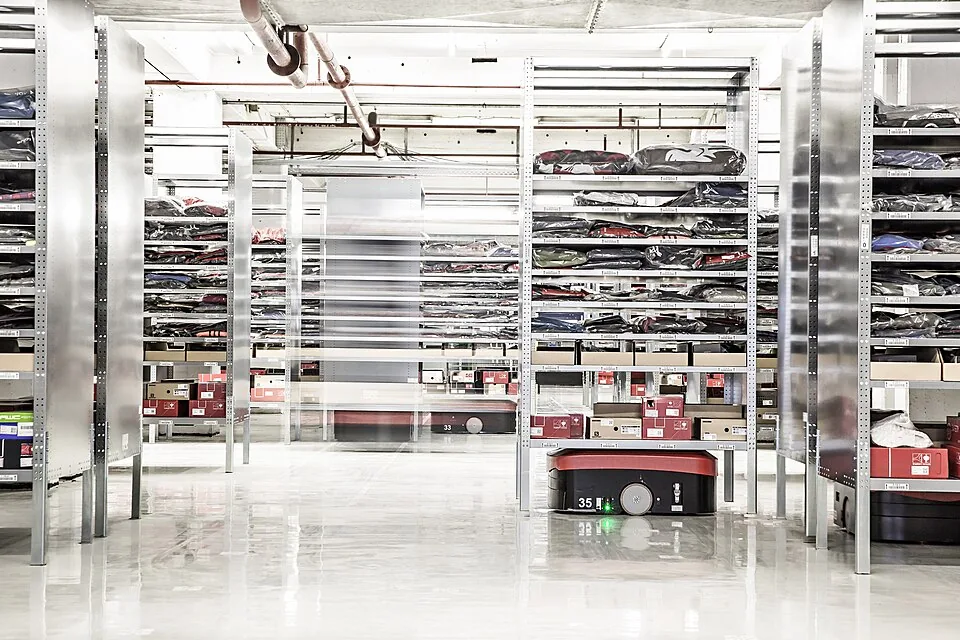
Automated storage and retrieval shuttle system in a modern warehousePLANNED APPLICATION

Warehouse & Logistics Automated Traceability

We are considering a future logistics application using edge-AI vision stations to read barcodes and QR codes and verify item counts as packages move through sortation. This planned capability is intended to reduce mis-sorts and create a traceable record for each shipment, building on our edge-AI and automated inspection experience rather than an existing product today.

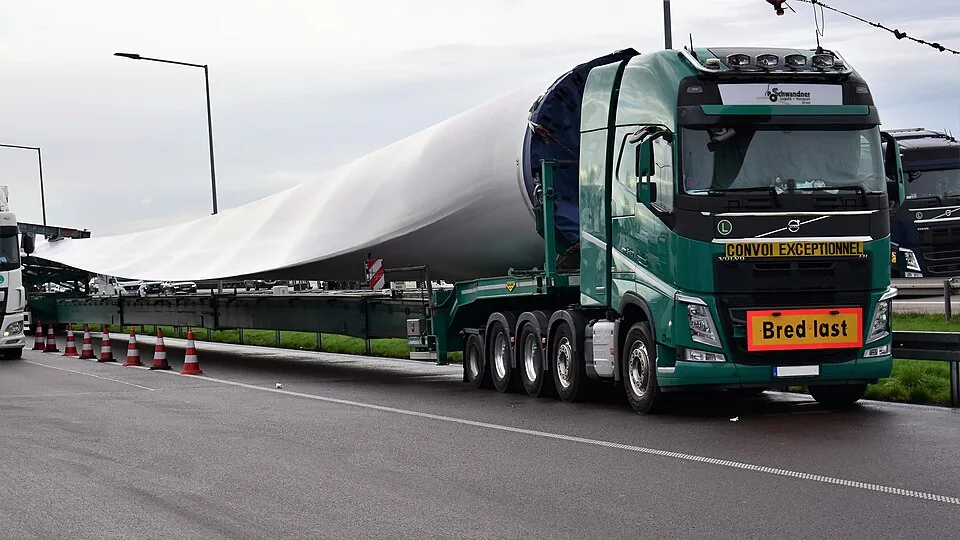
A wind turbine blade being transported for installationPLANNED APPLICATION

Renewable Energy & Electrical Infrastructure Thermal-Visual Inspection

Thermal and visual inspection of assets such as wind-turbine blades and electrical switchgear is a future application area we plan to explore. The intended approach would pair high-speed visual imaging with thermal/IR sensing and AI-based anomaly detection to identify surface damage and overheating components, extending our infrastructure-inspection and edge-AI background.

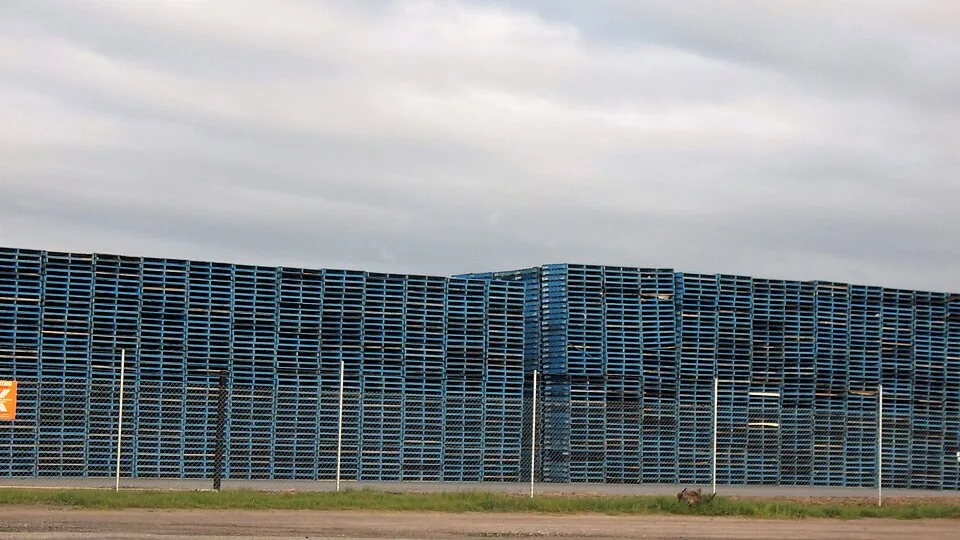
Stacks of plastic pallets stored outdoors at a distribution yardPLANNED APPLICATION

Pallet & Crate Condition Inspection

We are considering a vision-based check for pallet and crate condition at dispatch and receiving points, flagging visible damage, contamination or structural issues before goods are loaded. This planned application would extend our automated defect-detection approach to the packaging and handling equipment that moves through a logistics operation, rather than the goods themselves.

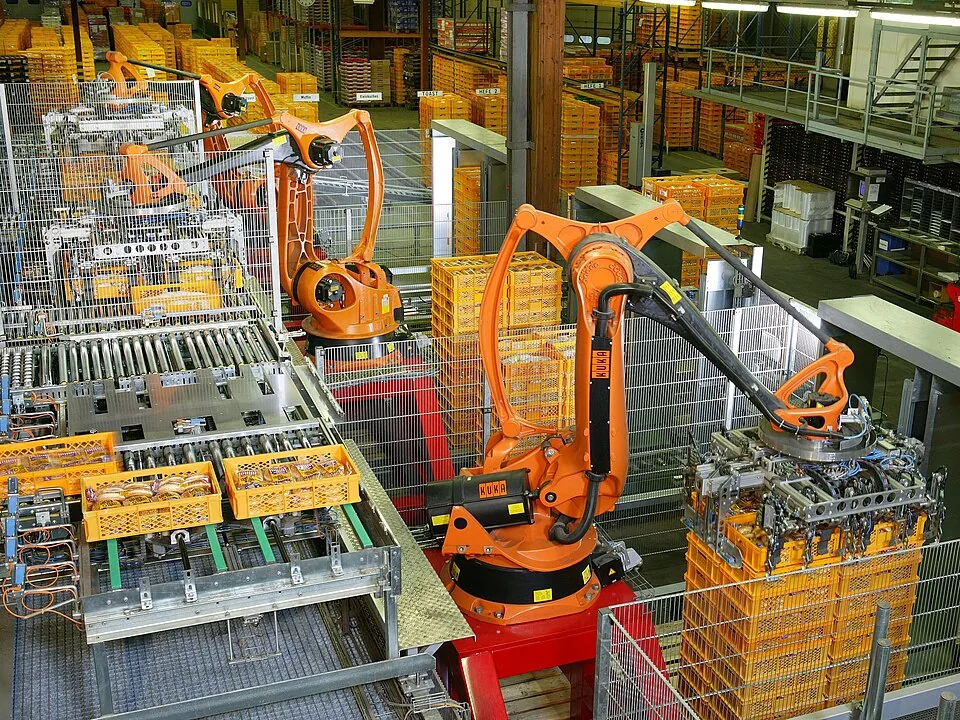
Industrial robots palletizing crates in a warehousePLANNED APPLICATION

Vision-Guided Robotic Palletizing

A further planned direction is vision-guided palletizing and depalletizing, where camera feedback helps a robot arm confirm carton position, orientation and stack pattern during loading. As a future capability, this would combine our machine-vision and edge-AI experience with warehouse automation to support more consistent, verifiable pallet building.

Have an inspection problem in one of these areas?

These are directions LorGo Solutions plans to develop, and the scope of each will be shaped by real project requirements. If your inspection challenge fits one of these areas, get in touch to discuss it.

Talk to Us